
Latvia’s National Parks: A Natural Wonderland to Explore ===
Latvia is a country blessed with breathtaking natural beauty, and its national parks are a testament to this. With a total of four national parks, each unique in its own way, visitors have the opportunity to explore diverse landscapes, from dense forests to pristine coastline. Whether you are a nature enthusiast, a hiking lover, or simply someone looking for a serene escape from the hustle and bustle of city life, Latvia’s national parks offer a perfect destination for all.
Plan Your Visit to Latvia’s National Parks
When planning a visit to Latvia’s national parks, it is important to consider various aspects to make the most of your experience. Firstly, familiarize yourself with the specific regulations and rules of each park. While all national parks aim to protect and preserve their natural habitats, some may have specific restrictions on activities such as camping or fishing. It is always good practice to respect these rules to ensure the sustainability of the parks for future generations.
Secondly, decide which national park(s) you would like to visit based on your interests. Gauja National Park, located near the historic town of Sigulda, is known for its picturesque landscapes, historical sites, and adrenaline-pumping activities like bobsledding and ziplining. If you are a bird-watching enthusiast, Kemeri National Park with its vast wetlands and bird observation towers is the perfect choice. On the other hand, Slitere National Park is a coastal paradise with stunning sandy beaches and trails through dense forests.
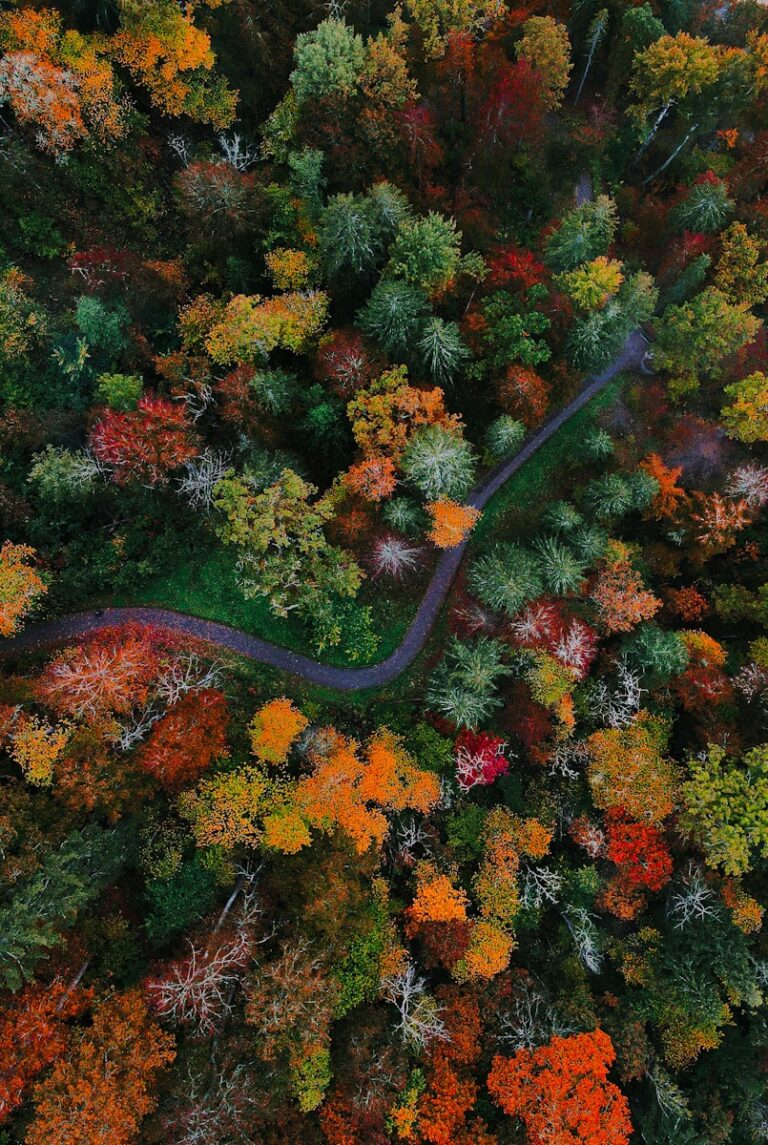
Lastly, plan your visit according to the season and weather. Latvia experiences distinct seasons, each offering a unique charm to the national parks. Spring brings colorful blooms and pleasant temperatures, perfect for hiking and exploring. Summer offers long daylight hours and a chance to enjoy Latvia’s pristine beaches. Autumn showcases a stunning display of vibrant foliage, while winter transforms the landscapes into a snowy wonderland, ideal for winter sports and activities.
With its rich biodiversity, Latvia’s national parks are a must-visit for any nature lover. From exploring ancient forests to wandering along pristine beaches, these protected areas provide a unique opportunity to connect with nature and experience Latvia’s natural wonders firsthand. By planning your visit carefully and respecting the regulations set in place, you can ensure a memorable and sustainable trip to Latvia’s national parks. So pack your hiking boots, grab your binoculars, and get ready to embark on a journey through Latvia’s natural wonderland.
Frequently Asked Questions About Latvia’s National Parks
Latvia is home to four stunning national parks, each offering breathtaking natural landscapes, diverse wildlife, and unique cultural heritage. Whether you’re an outdoor enthusiast, a wildlife lover, or a history buff, Latvia’s national parks have something for everyone. Here are some frequently asked questions to help you plan your visit.
1. How many national parks are there in Latvia?
Latvia has four national parks:
- Gauja National Park – The largest and oldest national park, famous for its sandstone cliffs and medieval castles.
- Ķemeri National Park – Known for its bog landscapes, mineral springs, and birdwatching.
- Slītere National Park – A coastal park with diverse wildlife, forests, and ancient Livonian culture.
- Rāzna National Park – Home to Latvia’s second-largest lake, rolling hills, and rich cultural heritage.
2. What is the largest national park in Latvia?
Gauja National Park is the largest national park in Latvia, covering 917 km². It is famous for scenic river valleys, sandstone cliffs, caves, and historic castles.
3. Which national park is best for hiking?
- Gauja National Park has the best hiking trails, offering forest walks, cliffside paths, and cultural sites like Turaida Castle.
- Ķemeri National Park features the famous Great Ķemeri Bog Boardwalk, an easy and scenic route through a pristine wetland.
- Slītere National Park has coastal and forest trails, with stunning views of the Baltic Sea.
4. Where can I see the most wildlife in Latvia’s national parks?
- Slītere National Park is home to lynx, moose, and deer, as well as many bird species.
- Ķemeri National Park is a top spot for birdwatching, with over 200 bird species found in the wetlands.
- Gauja National Park has wild boars, foxes, and even wolves in its dense forests.
5. What is the best time to visit Latvia’s national parks?
- Spring (April–June): Best for birdwatching and blooming flowers.
- Summer (June–August): Ideal for hiking, camping, and canoeing.
- Autumn (September–November): Stunning fall colors in forests.
- Winter (December–February): Perfect for snow-covered landscapes and frozen bog trails.
6. Do I need to pay an entrance fee to visit Latvia’s national parks?
No, Latvia’s national parks are free to enter, but some attractions (like museums or guided tours) may require a small fee.
7. Can I camp in Latvia’s national parks?
Yes! Camping is allowed in designated areas. Some parks offer official campgrounds, while wild camping is permitted in some areas as long as you follow Leave No Trace principles.
8. Are there any castles in Latvia’s national parks?
Yes! Gauja National Park is famous for its medieval castles, including:
🏰 Turaida Castle – A beautiful red-brick castle with panoramic views.
🏰 Cēsis Castle – A well-preserved medieval castle with interactive exhibits.
🏰 Sigulda Castle – A scenic castle ruins site with historical reenactments.
9. Can I go canoeing or kayaking in Latvia’s national parks?
Yes! The Gauja River in Gauja National Park is the most popular spot for canoeing and kayaking, offering scenic cliffs, forests, and wildlife along the way.
10. What is the most unique landscape in Latvia’s national parks?
- Ķemeri National Park – The Great Ķemeri Bog is one of Latvia’s most unique natural features, with wooden boardwalks leading through an ancient wetland.
- Slītere National Park – The Blue Hills Cliffs offer panoramic views of the Baltic coastline.
- Rāzna National Park – Features rolling hills, deep forests, and Latvia’s second-largest lake, Rāzna.
11. Is it possible to visit Latvia’s national parks in winter?
Yes! Winter is a magical time to visit Latvia’s national parks. You can enjoy:
❄️ Cross-country skiing on forest trails.
❄️ Snow-covered landscapes in Gauja National Park.
❄️ Frozen bog walking in Ķemeri National Park.
12. What cultural experiences can I have in Latvia’s national parks?
- Slītere National Park – Explore ancient Livonian culture, including traditional fishing villages.
- Gauja National Park – Visit historic castles, museums, and medieval festivals.
- Rāzna National Park – Experience Latgalian culture, known for its pottery and folk traditions.
13. How can I get to Latvia’s national parks?
🚗 By Car: The easiest way to explore the parks is by rental car.
🚆 By Train: Trains connect Riga to Sigulda (Gauja National Park) and other nearby towns.
🚌 By Bus: Buses run from Riga to all major national parks, but schedules may be limited.
14. What should I pack for visiting Latvia’s national parks?
- Comfortable hiking shoes (many trails are unpaved).
- Bug spray (especially in summer).
- Waterproof clothing (weather can change quickly).
- Binoculars (for wildlife and birdwatching).
15. Are Latvia’s national parks suitable for families?
Yes! Many parks have family-friendly hiking trails, picnic areas, and educational exhibits. Ķemeri National Park is especially great for families with its easy boardwalk trails and birdwatching opportunities.